-
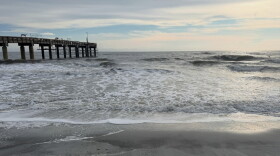 A flow off the Atlantic over the weekend and next week will lead to erosion, rough surf and the potential for flooding along the coast and nearby tributaries.
 -
 By watching the clouds, they can help predict changes in the weather. Cirrus clouds often indicate a change in the weather is coming while cumulonimbus clouds indicate storms.
 -
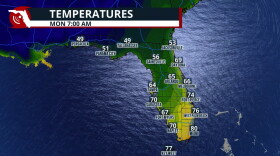 A cold front brings cooler air, lower humidity, and gusty winds
 -
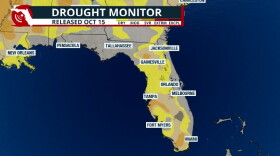 Florida is on track to reduce the drought as we finish the rainy season this month.
 -
 Isaias was the first hurricane strike to parts of Florida's panhandle since Michael in 2018. Changes to Florida building standards are part of Michael's legacy.
 -
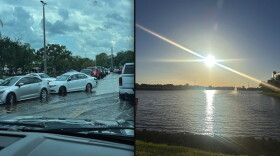 A weak cold front will lower rain chances and also bring slightlly lower humidity values for much of Florida for part of this week.
 -
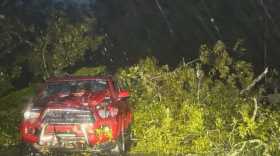 Hurricane Isaias made landfall just outside of Pensacola on Friday. After reaching major hurricane status, the cyclone weakened before landfall.
 -
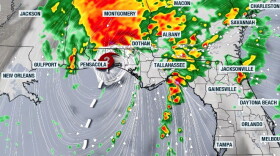 Damaging winds, tornadoes, and flash flood risk will continue throughout the weekend across the Southeast into the Mid-Atlantic.
 -
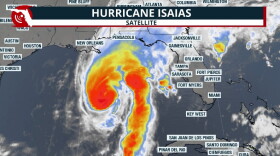 Numerous damaging tornadoes are possible even after the hurricane moves inland and weakens; the heavy rains will continue throughout Saturday morning across the Florida Panhandle.
 -
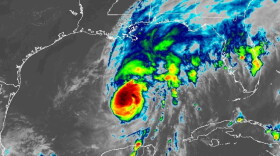 Landfalling tropical systems have a history of producing tornadoes, but the atmospheric ingredients around Isaias appear conducive for tornadic supercells

© 2026 WFSU Public Media
WFSU News · Tallahassee · Panama City · Thomasville
Play Live Radio
Next Up:
0:00
0:00
Available On Air Stations


