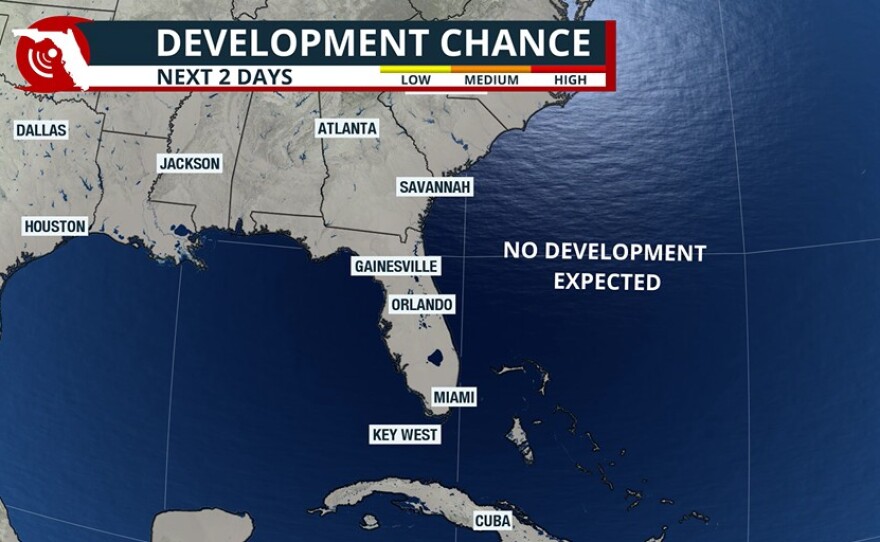
A weak area of low pressure that the National Hurricane Center briefly highlighted for the potential of tropical development in the southwest Atlantic is no longer being eyed for organization, but that does not mean beachgoers along the Southeast coast will not see impacts.
Areas of disturbed weather can often help to increase the motion in the ocean, leading to rougher seas and a greater risk for rip currents along the coastline.
Impacts associated with the disturbed area of weather off the Carolinas are expected to continue into the July 4th holiday weekend, with beaches along Florida’s Atlantic coast likely seeing periods of choppier surf compared to conditions earlier in the week.
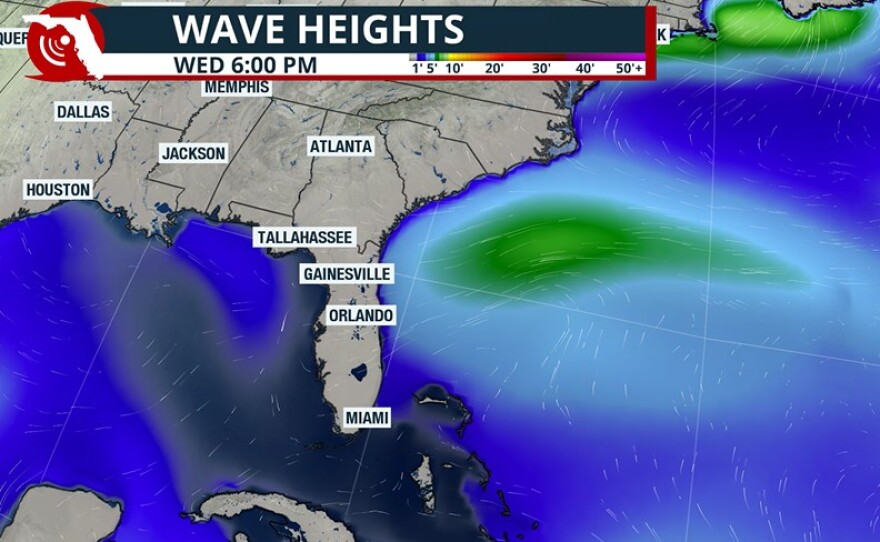
While ocean conditions are not expected to become extreme, beachgoers should still be aware of at least a moderate risk of rip currents in some areas.
Rip currents are narrow channels of fast-moving water that pull swimmers away from the shoreline and are considered to be the greatest weather-related killer in the Sunshine State.
Because the coastal low is fairly weak, only limited impacts are expected, with the Gulf Coast likely seeing calmer water conditions compared to the Atlantic side of the state.
A beach’s flag warning system is one of the easiest ways for swimmers to stay updated on local ocean hazards.
A green flag generally indicates calmer surf conditions, while a yellow flag means swimmers should use caution. A red flag indicates dangerous conditions, and entering the water is discouraged.

If you ever become caught in a rip current, lifeguards always advise swimmers not to fight against the current. Instead, you should allow the current to carry you away from shore until you are no longer under its influence. From there, you can work your way back toward the shore at an angle.
Every year, nearly two dozen fatalities are reported around the state, with many involving visitors who are unfamiliar with local beach conditions.
According to NOAA, the number of rip current deaths reported so far in 2026 is lower than what Florida typically experiences, which could be the result of a variety of factors, including weather conditions.
Tropical storms and hurricanes often create dangerous surf and rip currents hundreds of miles away from the center of circulation, and with a quieter Atlantic hurricane season expected, there may be fewer days with widespread extreme coastal conditions compared to typical years.
Still, even localized weather patterns can create adverse impacts, as has already been reported around the state this year.